
Fully Fitted Bathroom Costs Explained: What UK Homeowners Should Know
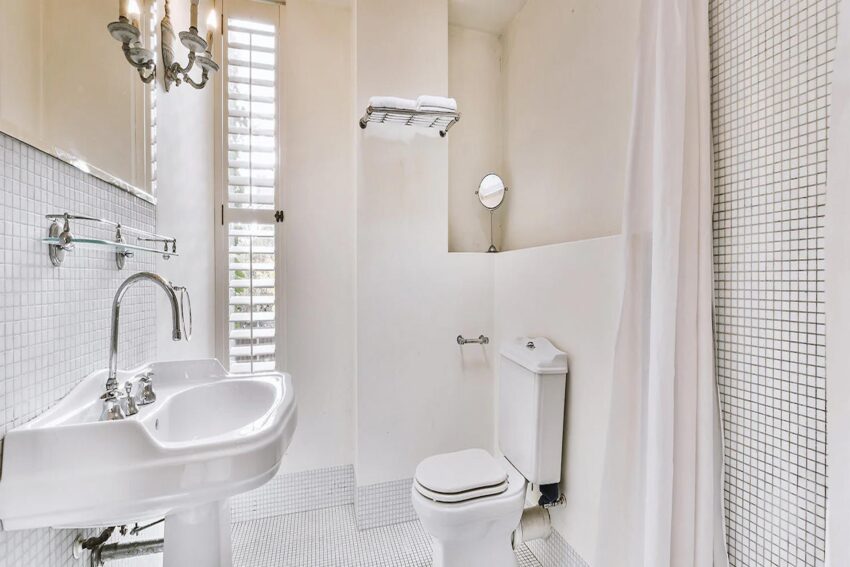
A Fully Fitted Bathroom is often described as a single, all-in cost for a complete refresh—supply, design, and installation wrapped into one clear plan. For UK homeowners, that sounds reassuring. However, the final figure can still move depending on your room size, the condition of what is already there, and the choices you make on tiles, fittings, and layout. This guide breaks down what drives prices and how to budget for fewer surprises.
What “fully fitted” really covers (and what it may not)
When homeowners ask for a “fully fitted” price, they usually mean the bathroom is delivered as a finished space, ready to use. In most projects, that includes removing the old suite, fitting the new sanitaryware, completing plumbing and electrics, tiling, flooring, sealing, and final checks.
The important detail is the scope. Some quotes are genuinely end-to-end. Others are “standard fit” prices that assume the existing layout stays in place and the room needs no remedial work. In practice, a reliable quote clearly states what is included, what is excluded, and what would trigger additional costs.
Many homeowners start by visiting a showroom to see full displays and compare finishes. Easy Bathrooms positions its Westwood Cross, Thanet showroom around expert advice, product choice, and design support—useful when you are trying to translate ideas into a realistic shopping list.
Typical UK cost ranges (so you can set a realistic budget)
Bathroom costs vary widely, but you can still use sensible ranges to plan. Across the UK, “fully fitted” mid-range projects are commonly quoted at £6,000–£8,000, with higher-end projects rising significantly depending on specification and complexity.
A practical way to think about it is in three layers:
- Supply (your products): sanitaryware, brassware, furniture, showering, taps, screens, tiles, flooring, accessories
- Labour (the fitting work): plumbing, electrics, tiling, carpentry, decorating where needed
- Preparation and “unknowns”: subfloor repairs, leaks, outdated electrics, wall repairs, moving pipework, waste removal
Even small installation tasks have meaningful labour costs, and they add up quickly across a full room.
The biggest price drivers in a full bathroom refit
Most bathrooms do not go over budget because of one huge decision. They drift because of several small ones. These are the drivers that most often change a final total.
Layout changes (the “move it” premium)
If you keep the toilet, basin, bath, or shower in the same positions, you usually reduce labour and risk. Moving waste pipes and water feeds takes time, can require floor lifting, and often creates extra making-good work afterwards. This is one of the fastest ways to increase costs.
Tiling choices and coverage
Tiles are rarely “just tiles”. Your choice affects:
- material cost per square metre
- cutting and fitting time (large formats, mosaics, niches, and patterns take longer)
- waterproofing requirements in wet zones
Tiling labour is also a major component of many refits, so decisions such as full-height tiling, feature walls, and boxed-in pipe runs can materially change your quote.
Showers and enclosures
Walk-in showers, wet rooms, and frameless glass look clean and modern, but they can require more preparation and precise fitting. Even seemingly simple components—like trays and enclosures—carry typical cost expectations before you add labour.
Furniture and storage
Vanity units, tall cabinets, and fitted storage raise the specification and can improve daily use. They can also add fitting time, especially if walls are uneven or if you want concealed cisterns and tidy pipework.
Design support and measuring: where good planning saves money
A common budgeting mistake is choosing products first and confirming fit later. A more cost-controlled approach is the reverse: measure, plan the layout, then select products that suit the space.
Easy Bathrooms highlights free design options, including a free 3D planning approach, and the ability to start at home with an online planner before refining choices with a local showroom team. In practical terms, this helps homeowners avoid:
- ordering the wrong size furniture or shower screen
- creating awkward clearances around doors and toilets
- underestimating tile quantities and trims
If you book a measure or planning appointment early, you typically reduce late-stage changes—the kind that cause delays and extra labour.
Installation, coordination, and guarantees: what to ask before you commit
When comparing quotes, do not focus solely on the headline total. Focus on who is coordinating the project and how problems are handled.
Easy Bathrooms promotes installation options and an accredited installation service with a stated guarantee period for installation work.Whether you use a retailer’s installation route or your own trades, ask clear questions such as:
- Who is responsible for the full schedule?
- What happens if deliveries slip or an item is out of stock?
- Who returns to fix snagging issues?
- Is waste removal included?
- Are electrics certified and compliant where required?
A well-managed project often costs less in the long run because it reduces rework, avoids days of downtime, and keeps decisions structured.
A simple way to build your budget (without guessing)
To plan responsibly, split your budget into three pots:
1) The “must-have” spend
This covers your essential suite and the work to make it functional: toilet, basin, bathing/showering, taps, wastes, valves, basic tiling, and safe electrics.
2) The “comfort and finish” spend
This includes the upgrades that make the bathroom feel better day to day: better storage, higher-quality tiles, improved lighting, nicer mirrors, towel warmers, and a more refined shower system.
3) The “contingency” buffer
Older homes and previously refitted bathrooms often hide issues. A sensible contingency is there for leaks, rotten boards, uneven walls, or outdated pipework. Industry cost guides regularly flag unexpected repairs and compliance upgrades as common add-ons.
Where homeowners overspend (and how to avoid it)
Overspending is usually avoidable when you spot the patterns early.
Changing your mind mid-install
Late changes can mean re-ordering, re-tiling, and paying for extra labour days. Finalise the look—especially tiles, taps, and shower controls—before the work starts.
Underestimating “small” items
Trims, adhesives, grout, fixings, wastes, valves, and sealants are not exciting, but they are real costs. If your quote seems unusually low, check whether these are included.
Buying premium everywhere
You do not need top-tier items across the entire room. Many homeowners get better value by choosing one “hero” feature (for example, a standout tile wall or a strong shower) and keeping the rest solid and reliable.
At about the halfway point of planning, it helps to step back and price the room as a complete package—this is where a showroom consultation and a line-by-line quote can be valuable for a Fully Fitted Bathroom approach that matches your space and your priorities.
Cost-control choices that do not compromise quality
If you want the bathroom to last, cost control should be about smarter decisions, not cutting corners.
- Keep the existing layout where possible to reduce pipework changes and labour time.
- Choose durable, easy-clean finishes rather than delicate materials that need specialist care.
- Prioritise good ventilation to protect paint, grout, and furniture from moisture damage.
- Use design planning tools early so products fit the first time and quantities are correct.
Final checklist before signing off on a quote
Before you commit, make sure you have answers in writing:
- Exact products included (with model names or clear descriptions)
- Tile area covered (full height or part height, and where)
- Floor preparation assumptions
- Electrical and plumbing scope
- Timeline and who coordinates trades
- Delivery and returns process
- Snagging and the aftercare process
- Guarantee details for the work route you choose
A fully fitted project should feel predictable. If any part feels vague, it is worth tightening it up before work starts.
A Fully Fitted Bathroom can be an excellent value when the scope is clear, the design is planned properly, and the installation is coordinated with realistic allowances for your home’s condition. By using sensible UK cost ranges as a starting point, keeping the layout stable where you can, and insisting on a detailed quote, you give yourself the best chance of getting a bathroom that looks right, works properly, and stays on budget.


Leave a Reply
You must be logged in to post a comment.