
The Importance of Planned Servicing for Air Source Heat Pump Systems
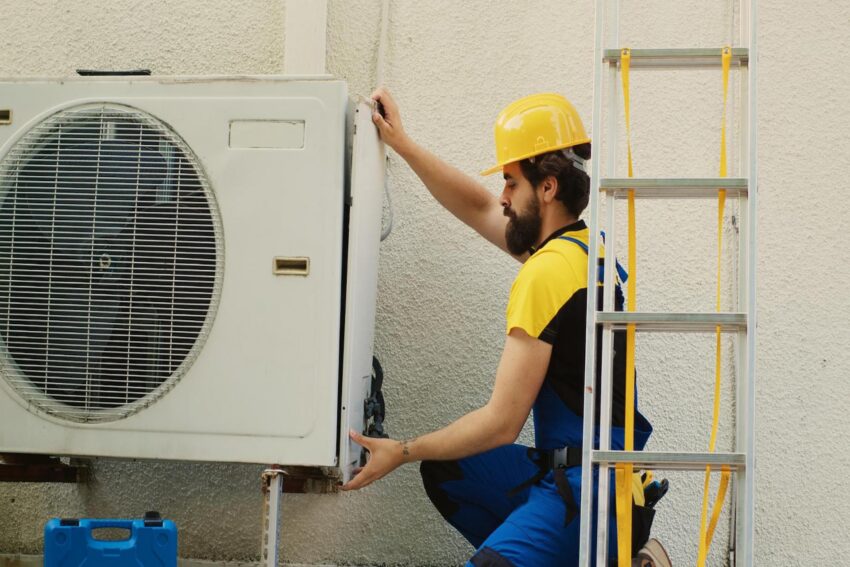
Air source heat pump systems are now a key part of the UK’s low-carbon heating landscape. As more households move away from traditional gas boilers, heat pumps are increasingly relied upon for consistent space heating and hot water throughout the year. While these systems are designed for durability and efficiency, they are not maintenance-free. Planned servicing plays a central role in keeping air-source heat pumps operating safely, efficiently, and reliably throughout their full lifespan.
Planned servicing refers to scheduled inspections, checks, and maintenance activities carried out at regular intervals, rather than responding only when faults occur. This proactive approach supports system performance, reduces long-term costs, and helps homeowners avoid unexpected disruption.
Understanding How Air Source Heat Pumps Operate
An air-source heat pump extracts heat from outdoor air and transfers it indoors through a refrigerant cycle. The system includes several interdependent components, such as:
- An outdoor unit with a fan and a heat exchanger
- A compressor that raises the temperature of the captured heat
- Refrigerant pipework and valves
- Electrical controls and sensors
- An indoor heat distribution system
Each of these elements must function correctly for the system to perform as intended. Even small inefficiencies in airflow, pressure, or control settings can reduce output and increase energy use. Planned servicing ensures these components are checked and adjusted before minor issues escalate.
Why Reactive Maintenance Is Not Enough
Some homeowners assume that servicing is only necessary if the system stops working. This reactive approach can be costly and disruptive. Heat pump faults often develop gradually, with early warning signs that are not immediately obvious, such as reduced efficiency, longer run times, or inconsistent temperatures.
Without planned servicing:
- Small issues can remain undetected until they cause system failure.
- Efficiency losses may lead to higher electricity consumption over time.
- Wear on components can accelerate, shortening the system’s lifespan.
- Repairs are more likely to be urgent and expensive.
Planned servicing shifts maintenance from a reactive model to a preventative one, helping to manage risks before they affect comfort or reliability.
Supporting Long-Term Efficiency and Performance
One of the primary benefits of planned servicing is maintaining energy efficiency. Air source heat pumps are most effective when operating within specific pressure, temperature, and flow parameters. Over time, dirt buildup, calibration drift, or component wear can push the system outside these optimal ranges.
During scheduled servicing, engineers typically:
- Clean filters and heat exchange surfaces to maintain airflow.
- Check refrigerant pressures and system temperatures.
- Inspect fans and moving parts for wear or imbalance.
- Review control settings and system response.
These actions help the heat pump maintain consistent performance year after year rather than gradually decline. For households concerned about running costs and carbon footprint, energy efficiency is a significant advantage.
Protecting System Reliability and Reducing Downtime
Heating systems are relied upon most during colder months, when failure can be particularly disruptive. Planned servicing reduces the risk of breakdowns during peak demand by identifying components nearing the end of their service life.
For example, electrical connections can loosen over time, sensors may degrade, and seals can weaken due to thermal cycling. While these issues may not cause immediate failure, they can eventually trigger system shutdowns or error codes. Regular servicing helps ensure that these risks are addressed in a controlled and predictable way.
In this context, air source heat pump service plans provide a structured framework for ongoing system care, ensuring consistent servicing rather than deferring or overlooking it.
Maintaining Warranty and Compliance Requirements
Most heat pump manufacturers specify servicing requirements in their warranty terms. Failure to follow these requirements can result in warranty claims being rejected, even if the fault is unrelated to maintenance.
Planned servicing helps homeowners:
- Meet the manufacturer’s servicing conditions.
- Maintain a clear service record for the system.
- Demonstrate responsible system management if issues arise.
In addition, regular inspections support compliance with general electrical and safety standards, particularly where heat pumps are integrated with other building systems.
The Role of Monitoring and System Oversight
Modern heat pump systems increasingly incorporate digital controls and monitoring capabilities. Planned servicing often works alongside these features, providing context and verification for performance data.
While monitoring tools can highlight trends or anomalies, physical inspections remain essential. Sensors and software cannot always identify mechanical wear, physical damage, or environmental factors affecting the outdoor unit. Planned servicing bridges this gap by combining data-driven insight with hands-on assessment.
This integrated approach enables performance issues to be addressed using both real-world observations and system data, improving accuracy and outcomes.
Cost Management Through Predictable Maintenance
One of the less obvious benefits of planned servicing is cost predictability. Scheduled maintenance spreads maintenance costs over time and reduces the risk of unexpected repair expenses. Emergency call-outs, component replacements, and system downtime can be significantly more expensive than routine servicing.
Planned servicing also helps homeowners make informed decisions about future upgrades or adjustments. By understanding how the system is performing year on year, it becomes easier to assess whether changes in usage, insulation, or control settings are required.
Environmental and Sustainability Considerations
Air source heat pumps are installed to reduce carbon emissions and reliance on fossil fuels. However, a poorly maintained system can undermine these environmental benefits. Reduced efficiency leads to higher electricity consumption, which in turn increases emissions associated with power generation.
Planned servicing supports sustainability by:
- Ensuring the system operates at its designed efficiency.
- Preventing refrigerant leaks, which can have environmental impacts.
- Extending the equipment’s usable life and reducing waste.
From an environmental perspective, maintaining performance is just as important as choosing a low-carbon heating technology in the first place.
Conclusion
Planned servicing is a fundamental part of responsible ownership of an air-source heat pump. It supports efficiency, reliability, safety, and long-term value, while reducing the risk of unexpected faults and costly repairs. By addressing issues early and maintaining optimal operating conditions, planned servicing helps heat pump systems deliver consistent heating and hot water throughout their lifespan.
For UK homeowners, adopting a structured maintenance approach through regular inspections and servicing helps ensure their heat pump continues to perform as intended, protecting both comfort and investment over the long term.

Leave a Reply
You must be logged in to post a comment.