
Planning Considerations for Adding a Glass Room Extension
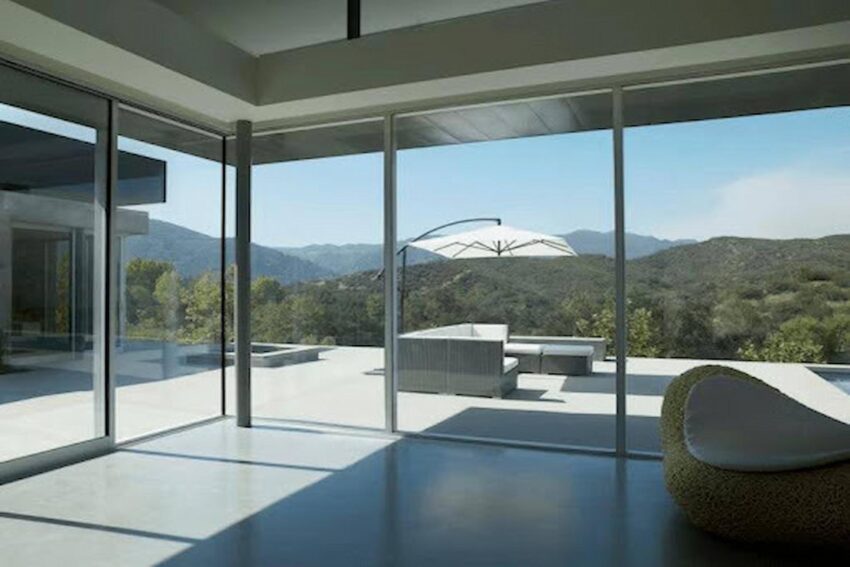
A glass room extension offers a perfect blend of outdoor light and indoor comfort. If you’re considering this addition to your home, there are several essential factors to consider. Let’s break down the planning steps to ensure your new space is a success.
Adding a glass room extension to your home is an exciting way to expand your living space while bringing in natural light. Whether you’re looking for a modern sunroom, a dining area, or a peaceful retreat, a well-planned glass room can elevate your home’s functionality and aesthetics. However, before you start building, it’s crucial to understand the planning considerations involved in creating this type of extension.
Let’s explore the key aspects you should keep in mind when planning a glass room extension.
1. Planning Permission and Local Regulations
Before you start with your glass room extensions, it’s essential to first determine whether you need planning permission. The requirements for approval can vary based on factors like the location of your home, the size of the extension, and the design. For glass rooms extensions, some areas may have specific regulations regarding the amount of space you can add or the materials you can use. It’s important to consult with your local authority to ensure your project complies with these regulations before moving forward.
- Permitted Development Rights: Many homeowners are eligible to build a glass room extension under permitted development rights, meaning they can add the extension without needing formal planning permission. However, this typically depends on the size and nature of the extension, such as ensuring it doesn’t exceed the maximum height or footprint.
- Building Regulations: Regardless of planning permission, your extension will need to meet building regulations. This ensures the structure is safe, energy-efficient, and accessible. Key factors here include insulation, glazing, structural integrity, and drainage.
Check with your local council for any specific requirements or restrictions before proceeding with any designs.
2. Choosing the Right Materials
One of the most distinctive features of a glass room extension is the extensive use of glass. While this adds a sleek, contemporary look, choosing the right materials is essential for functionality and energy efficiency.
- Thermal Insulation: Glass extensions can be prone to heat loss, especially in colder climates. Look for energy-efficient glass options that have low U-values (the measure of thermal transmittance). Double or triple-glazed panels are a good choice for keeping the space comfortable year-round.
- Solar Control Glass: If your extension is going to get a lot of sun, consider glass that offers solar control to help manage heat and glare. This will keep the space cooler in the summer and prevent excessive energy use for air conditioning.
- Framing Materials: The frames around the glass panels are another important consideration. While aluminium frames are common, you could also explore options like timber or uPVC depending on your desired look and the local weather conditions.
The materials you choose will impact both the aesthetic and the performance of your extension. Make sure to choose wisely for a balance of beauty and practicality.
3. Design and Layout Considerations
The design and layout of your glass room extension should enhance your home’s flow and serve the purpose you intend for the space. Whether you’re building a space for relaxing, entertaining, or dining, the design plays a vital role in making it functional and enjoyable.
- Space Planning: First, think about how you plan to use the space. Will it be a multifunctional room or used for one specific purpose? The layout should reflect this.
- Natural Light and Views: One of the main benefits of a glass room extension is the abundance of natural light it brings into your home. Position the glass panels to take full advantage of the view and light. Additionally, think about how the room will integrate with the rest of your home and garden for a seamless transition.
- Heating and Ventilation: Glass rooms can get hot in the summer and chilly in the winter, so plan for appropriate heating and ventilation. Underfloor heating is a popular choice for this type of extension, as it doesn’t obstruct the view. Ensure adequate ventilation with windows or ceiling vents to avoid condensation and overheating.
4. Budgeting and Cost Estimation
A glass room extension is an investment, so it’s important to have a clear understanding of your budget from the outset. The cost can vary greatly depending on the size, materials, and design you choose, so it’s essential to plan accordingly.
- Initial Costs: This will include the price of materials, labour, planning permission (if applicable), and any additional features like lighting, flooring, and heating. It’s also a good idea to budget for a contingency fund in case of unexpected costs during construction.
- Long-term Value: While the initial cost may seem high, a well-designed glass room extension can add significant value to your home. It can create a new area for socialising or relaxation, making your property more attractive to future buyers.
5. Energy Efficiency and Sustainability
Sustainability is an important consideration when planning any home improvement, and a glass room extension is no exception. While natural light helps reduce the need for artificial lighting, other factors should be considered to ensure the space is energy-efficient.
- Eco-friendly Materials: Choose sustainable materials for the flooring, framing, and insulation. For instance, bamboo flooring is a renewable resource, and timber frames can offer a natural and sustainable option.
- Solar Panels and Energy-Efficient Heating: If you’re looking for ways to make your glass room extension more eco-friendly, consider adding solar panels or using renewable energy sources. Additionally, energy-efficient heating solutions, such as heat pumps, can help keep your extension comfortable while reducing energy consumption.
6. Landscaping and Integration with Your Garden
Lastly, consider how your glass room extension will connect with your garden or outdoor space. A well-designed extension should flow naturally into your outdoor area, enhancing the overall appeal of your home. You can achieve this through landscaping features, such as:
- Outdoor Decking or Patios: Create a seamless transition between the glass room and your garden with outdoor decking or a patio. This will extend your living space and make the room feel more open.
- Greenery and Plants: Integrating plants around the extension can enhance the feeling of being outdoors while providing a natural aesthetic.
Conclusion
Incorporating a glass room extension into your home can be a rewarding project, offering you a bright, airy space that enhances both functionality and beauty. By considering the necessary planning permissions, selecting the right materials, thinking about the design, and sticking to your budget, you can ensure that the extension serves its purpose for many years to come.
If you follow the right steps and consider all the key elements discussed, your new glass room extension will be a stunning addition that increases your home’s value and provides a unique space for relaxation, entertainment, or everyday living.


Leave a Reply
You must be logged in to post a comment.