
Key Considerations When Building Outdoor Electronic Enclosure Prototypes
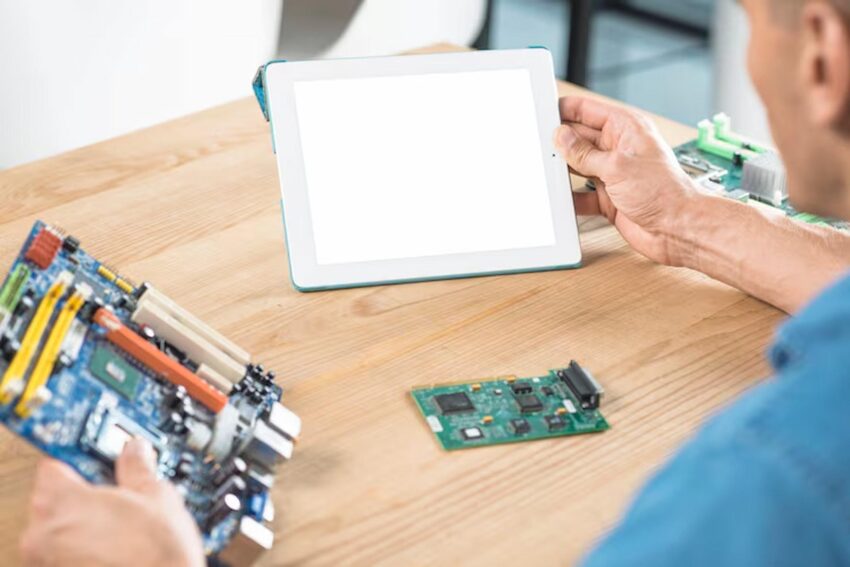
Outdoor electronics are becoming more common across industries. From smart traffic systems and industrial IoT devices to telecom equipment and renewable energy controls, outdoor technology must survive demanding environmental conditions while maintaining consistent performance.
That is why enclosure design matters so much. A poorly designed outdoor enclosure can lead to overheating, water damage, corrosion, signal interference, and expensive equipment failures. Building reliable prototypes early helps manufacturers identify risks before full-scale production begins.
Below are the most important considerations for designing outdoor electronic enclosure prototypes to ensure long-term reliability and performance.
1. Environmental Protection Should Be the Top Priority
Modern product developers increasingly rely on custom electronic enclosures to create more durable, scalable, and application-specific hardware solutions. Companies developing advanced prototypes often work with engineering platforms such as GTT Wireless to accelerate enclosure prototyping, improve design flexibility, and streamline product development.
When prototyping outdoor enclosures, engineers should evaluate:
- IP ratings for water and dust resistance
- UV-resistant materials
- Corrosion protection
- Sealing mechanisms
- Ventilation systems
For example, an enclosure used near coastal areas may require stronger corrosion resistance because salt exposure accelerates material degradation. Early environmental testing helps identify weaknesses before production scaling begins.
2. Material Selection Directly Affects Durability
The choice of enclosure material plays a major role in performance and lifespan. Different applications require different balances of strength, weight, thermal conductivity, and cost.
Common outdoor enclosure materials include:
- Aluminium
- Stainless steel
- Polycarbonate
- ABS plastic
- Fibreglass composites
Metal enclosures offer excellent durability and shielding, but may interfere with wireless communication. Plastic materials are lightweight and RF-friendly but may require UV stabilisation for outdoor use.
Selecting the right material during the prototype stage prevents costly redesigns later.
3. Thermal Management Cannot Be Overlooked
Outdoor electronics often operate in direct sunlight or fluctuating temperatures. Heat buildup inside an enclosure can damage sensitive components and reduce device efficiency.
Strong thermal management strategies include:
- Passive ventilation
- Heat sinks
- Cooling fans
- Thermal pads
- Reflective coatings
Prototype testing should simulate real operating temperatures to ensure devices remain stable during long-term outdoor use. Even a few degrees of excessive heat can significantly shorten the lifespan of electronics.
4. Wireless Signal Performance Must Be Protected
Many outdoor systems rely on wireless communication technologies such as Wi-Fi, cellular connectivity, Bluetooth, or LoRaWAN.
However, poor enclosure design can weaken signals or cause interference. Metal housings may block transmission if antenna placement is not carefully planned.
Modern custom electronic enclosure prototypes often include:
- Dedicated antenna zones
- RF-transparent materials
- Signal optimisation layouts
- External antenna mounting options
Testing signal strength during prototyping ensures stable communication performance after deployment.
5. Ingress Protection Ratings Matter
Ingress Protection (IP) ratings help define how resistant an enclosure is to dust and moisture.
For outdoor applications, common ratings include:
- IP65 — dust-tight with water jet resistance
- IP66 — stronger water protection
- IP67 — temporary immersion protection
- IP68 — extended immersion resistance
Choosing the correct IP rating depends entirely on the operating environment. A smart irrigation controller may require different protection levels than a roadside traffic monitoring system.
Prototype testing should always verify sealing performance under realistic conditions.
Why Customisation Is Becoming More Important
Generic enclosure solutions rarely meet the exact needs of advanced outdoor electronics. Every application presents unique environmental, operational, and technical challenges.
That is why businesses increasingly prefer fully customised enclosure solutions tailored to specific hardware requirements.
Modern custom electronic enclosure development offers advantages such as:
- Better thermal performance
- Improved wireless compatibility
- Enhanced durability
- Faster product integration
- Reduced maintenance costs
- More efficient manufacturing
Customisation also improves branding, aesthetics, and long-term product flexibility.
Final Thoughts
Outdoor electronic enclosure prototypes play a critical role in product reliability, safety, and long-term performance. Strong enclosure design protects sensitive electronics from environmental damage while supporting thermal control, wireless communication, maintenance access, and future scalability.
As connected technology continues to expand across industries, the demand for smarter and more adaptable enclosure solutions will continue to grow. Businesses that invest in thoughtful prototyping and custom engineering early in development are far more likely to achieve successful product deployment and long-term operational reliability.



Leave a Reply
You must be logged in to post a comment.