
The Evolving Landscape of the Construction Industry
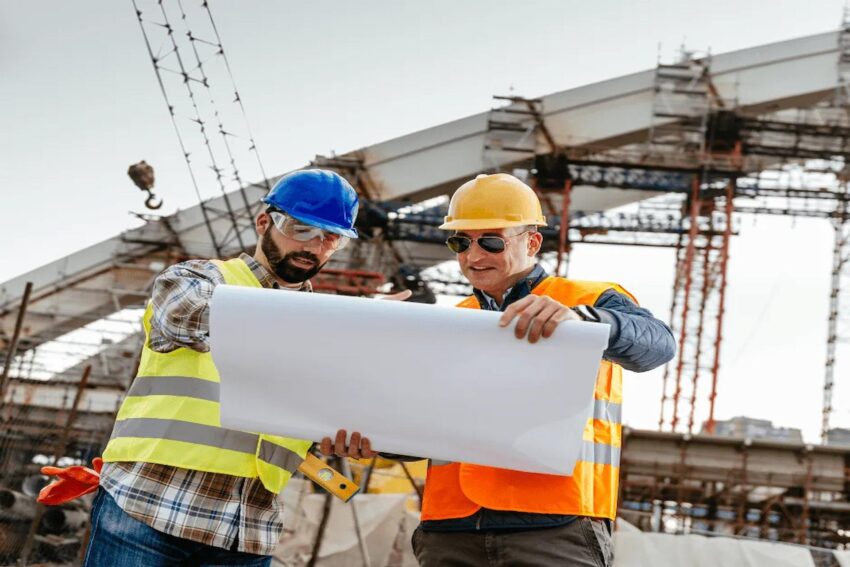
The construction industry is transforming at an unprecedented pace, driven by innovation, sustainability goals, and rising infrastructure demands. From digital technology reshaping project delivery to the growing importance of safety and workforce development, the sector is rapidly evolving. Understanding these trends is essential for businesses striving to stay competitive. This article explores the key changes shaping construction today and what they mean for the future of the industry.
The construction industry stands as one of the most influential pillars of global economic growth. It shapes cities, transforms infrastructure, and drives employment across multiple sectors. Over the past decade, construction has undergone substantial transformation due to technological innovation, sustainability demands, and shifting project delivery expectations. Understanding these changes is essential for businesses, contractors, and stakeholders aiming to stay competitive in an increasingly complex environment.
The Role of Construction in Economic Development
Construction significantly contributes to national and regional economies by creating jobs, supporting supply chains, and improving public and private infrastructure. Roads, bridges, commercial buildings, industrial facilities, and residential communities all originate from construction investment. As governments implement infrastructure development plans and smart city initiatives, opportunities for growth continue to expand.
Furthermore, the construction sector fuels a wide range of supporting industries such as manufacturing, engineering, transport, logistics, and real estate. This interdependency strengthens economic stability and fosters ongoing development.
Key Trends Transforming the Construction Industry
1. Digital Transformation and Smart Technology
Technology has reshaped how construction projects are designed, planned, and executed. Building Information Modelling (BIM), AI-powered planning tools, drones, and 3D printing are now essential elements of modern construction. These technologies enhance accuracy, accelerate project timelines, and reduce waste and costs by enabling real-time decision-making.
Companies adopting digital solutions achieve improved productivity, higher safety standards, and better collaboration between architects, engineers, and contractors—ultimately resulting in stronger project outcomes.
2. Sustainable and Eco-Friendly Construction
Sustainability has become a priority as clients and regulators demand environmentally responsible building practices. The industry increasingly embraces green building certifications, renewable materials, and low-carbon designs. Efforts to reduce concrete usage, increase recycling, and implement energy-efficient systems reflect a growing commitment to environmental protection.
Incorporating sustainability is not just an ethical requirement; it also enhances long-term value, lowers operational costs, and improves building performance.
3. Labour Shortages and Workforce Development
One of the industry’s biggest challenges is the shortage of skilled labour. As experienced workers retire, fewer young people are entering trades, creating pressure on productivity and project delivery. Organisations are responding by investing in apprenticeships, training programmes, and automation tools that reduce manual workload.
Attracting new talent requires highlighting construction as a technologically advanced and rewarding career path rather than a labour-intensive field of work.
Improving Safety and Risk Management
Health and safety remain central to construction operations. High-risk environments demand strict protocols to prevent accidents and ensure workforce well-being. The adoption of digital monitoring systems, wearable safety technology, and data-driven risk assessments has dramatically improved site conditions.
Stronger safety standards not only save lives but also decrease insurance claims, interruptions, and financial losses—benefitting contractors and clients alike.
The Importance of Collaboration and Integrated Project Delivery
Construction projects increasingly rely on collaboration across multiple stakeholders. Integrated Project Delivery (IPD) and partnerships between architects, engineers, suppliers, and contractors drive efficiency by aligning goals and responsibilities early in the planning process. Clear communication, transparency, and shared accountability lead to fewer disputes and improved project outcomes.
Modern construction requires teamwork like never before, reinforcing the need for effective project management and structured communication channels.
Future Outlook for the Construction Industry
The construction sector continues to evolve rapidly as technology, sustainability, and workforce dynamics shape the future. Projects are becoming smarter, safer, and more efficient. Companies willing to invest in innovation and skill development will remain competitive, while those resistant to change may struggle to keep up.
Looking ahead, digital integration, green building practices, and skilled talent development will determine the industry’s success in the coming decades. With strong market demand and expanding infrastructure investment, construction remains a critical driver of long-term global growth.
FAQS
What is driving growth in the construction industry today?
Growth in the construction industry is driven by increased investment in infrastructure development, urban expansion, and demand for residential and commercial projects. Government initiatives promoting smart cities, transportation upgrades, and renewable energy projects also contribute significantly. Additionally, advancements in building technology and sustainable practices enhance efficiency and project delivery, attracting more investment.
How is technology changing the construction sector?
Technology is transforming construction through tools such as BIM, drones, AI planning systems, and 3D printing. These innovations improve project accuracy, speed up processes, and reduce waste. Digital platforms support better communication between teams, while automation enhances safety and productivity. As a result, technology significantly improves project outcomes and reduces operational costs.
Why is sustainability important in modern construction?
Sustainability is crucial because construction has a major impact on the environment through resource consumption and waste. Green building practices help reduce carbon emissions, improve energy efficiency, and support long-term cost savings. Clients increasingly expect eco-friendly materials, energy-efficient designs, and reduced waste strategies. Sustainable construction creates healthier living and working environments.
What challenges does the construction workforce face today?
The industry faces a shortage of skilled labour as older workers retire and fewer young people join the sector. This shortage affects project timelines, productivity, and quality. To address this, companies are investing in training programmes, apprenticeships, and technology-assisted roles. Highlighting construction as an innovative and rewarding career is essential for attracting new talent.
How are safety standards improving within construction projects?
Safety standards have improved through stricter regulations, advanced training, and technology such as wearable sensors and site monitoring systems. These innovations help identify hazards earlier and reduce accidents. Better risk management lowers insurance costs and benefits both workers and project stakeholders by preventing delays and financial loss.
What is the future outlook for the construction industry?
The future of construction is shaped by smart technology integration, collaborative project delivery methods, and sustainable building solutions. Continued investment in infrastructure and renewable developments will fuel growth. Companies that embrace digital transformation and workforce development will remain competitive and lead the next era of construction progress.
Conclusion
The construction industry is entering a new era defined by innovation, sustainability, and collaboration. As stakeholders adapt to emerging trends and rising expectations, the sector will continue to play a fundamental role in shaping economic progress and modern living standards. By embracing technology, prioritising safety, and building an agile workforce, the industry is well-positioned to meet the demands of the future and deliver resilient, high-quality infrastructure worldwide.



Leave a Reply
You must be logged in to post a comment.