
How to Choose Between an Indoor and Outdoor Sauna: Space, Power and Planning Requirements
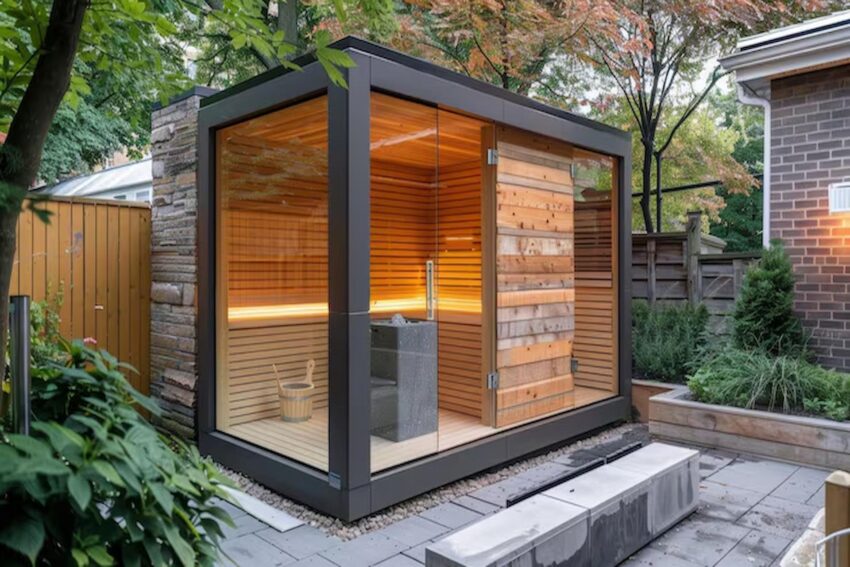
Choosing between an indoor and outdoor sauna is not just about preference—it’s about space, power supply, and long-term planning. Each option offers unique benefits, but the right choice depends on your home layout, budget, and lifestyle. This guide breaks down the key differences, helping you understand installation requirements, energy considerations, and practical design factors so you can make a confident, informed decision that perfectly suits your needs.
Adding a sauna to your home is a valuable investment in comfort, wellness, and property appeal. However, deciding between an indoor sauna and an outdoor sauna requires careful thought. The choice goes beyond aesthetics. It involves understanding space limitations, electrical requirements, installation complexity, and long-term maintenance.
Understanding Indoor vs Outdoor Saunas
Before comparing technical aspects, it is important to understand what sets these two options apart.
Indoor saunas are installed within your home. Common locations include bathrooms, basements, spare rooms, or dedicated wellness spaces. They offer convenience and easy access.
Outdoor saunas are standalone structures placed in gardens, patios, or backyards. They create a more traditional and immersive experience, often closer to nature.
Each has its advantages. The right choice depends on your available space and how you plan to use it.
Space Requirements: What You Need to Consider
Indoor Sauna Space Needs
Indoor saunas are ideal if you have limited outdoor space or want year-round accessibility, making them a practical choice for efficient Sauna Installation within the home.
Key considerations include:
- A minimum floor area of around 1.2m x 1.2m for small units
- Ceiling height typically between 2m and 2.2m
- Adequate ventilation within the room
- Moisture-resistant surfaces nearby
Bathrooms and basements are popular choices because they already handle humidity well. However, you must ensure enough clearance for safe installation and airflow.
Indoor setups work best in homes where space is already structured and easily adaptable.
Outdoor Sauna Space Needs
Outdoor saunas require more planning but offer greater flexibility in size and design.
You will need:
- A flat, stable base such as concrete or decking
- Enough clearance around the structure for maintenance
- Easy access to a power supply
- Drainage planning to handle weather conditions
Because outdoor units are separate structures, they allow for larger builds, including multi-person saunas. This makes them ideal for families or those who enjoy social use.
Power Requirements: Indoor vs Outdoor Setup
Power supply is one of the most important factors in sauna planning.
Indoor Sauna Power
Indoor saunas typically connect directly to your home’s electrical system.
Common requirements:
- Standard 220–240V supply for smaller units
- Dedicated circuit for safety
- Electric heaters or infrared panels
- Lower overall power consumption
Installation is usually simpler because the electrical infrastructure already exists. However, professional wiring is still recommended to ensure safety and compliance.
Outdoor Sauna Power
Outdoor saunas often require more complex electrical planning.
Key points include:
- Running power from the main house to the outdoor unit
- Weatherproof wiring and insulation
- Higher power capacity for larger heaters
- Possible need for upgraded electrical panels
This can increase installation costs, but it allows for more powerful heating systems and larger sauna designs.
Planning and Installation Factors
Planning is where many decisions come together. A well-thought-out approach ensures long-term performance and fewer issues.
Indoor Planning Considerations
Indoor sauna planning focuses on integration within existing structures.
You should consider:
- Ventilation systems to prevent moisture build-up
- Waterproofing walls and floors
- Easy access to plumbing if required
- Noise and heat insulation
Indoor installations are generally faster because they do not require external construction.
Outdoor Planning Considerations
Outdoor saunas require more groundwork but offer greater design freedom.
Important factors include:
- Foundation preparation
- Weather protection such as roofing and insulation
- Compliance with local building regulations
- Landscape integration
In the centre of this planning process, Sauna Installation becomes a critical stage that determines both safety and efficiency. A well-executed Sauna Installation ensures proper electrical connections, structural stability, and long-term durability, especially in outdoor environments where weather exposure is constant.
Cost Differences: What to Expect
Budget plays a significant role in choosing between indoor and outdoor options.
Indoor Sauna Costs
- Lower installation costs
- Minimal construction work
- Reduced electrical setup expenses
- Lower maintenance requirements
Outdoor Sauna Costs
- Higher upfront investment
- Additional costs for foundation and electrical work
- Possible landscaping expenses
- Higher long-term maintenance due to weather exposure
While outdoor saunas cost more initially, they often provide a premium experience that some homeowners find worth the investment.
Maintenance and Durability
Maintenance requirements differ significantly between the two options.
Indoor Sauna Maintenance
- Easier to clean and maintain
- Less exposure to environmental damage
- Longer lifespan with minimal upkeep
Outdoor Sauna Maintenance
- Requires regular weatherproofing
- Wood treatment to prevent damage
- Roof and structure inspections
- Seasonal maintenance routines
If low maintenance is a priority, indoor saunas are generally the better option.
Lifestyle and Usage Considerations
Your lifestyle should guide your final decision.
Choose an indoor sauna if:
- You want quick, easy access
- You prefer privacy and convenience
- You have limited outdoor space
Choose an outdoor sauna if:
- You enjoy a traditional sauna experience
- You have sufficient outdoor space
- You want a feature that enhances your garden
Think about how often you will use the sauna and in what setting. Practical usage matters more than aesthetics alone.
Environmental and Energy Efficiency
Energy use is another key factor.
Indoor saunas:
- Heat up faster
- Retain heat more efficiently
- Use less energy overall
Outdoor saunas:
- Take longer to heat
- Lose heat more easily in colder weather
- May require more energy to maintain temperature
If energy efficiency is important, indoor options typically perform better.
FAQs
What is the main difference between indoor and outdoor saunas?
The main difference lies in location and installation requirements. Indoor saunas are built inside the home and are easier to install, while outdoor saunas are standalone structures that require more space and planning. Each offers different benefits in terms of convenience, experience, and cost.
Which sauna is easier to install?
Indoor saunas are generally easier to install because they use existing space and electrical systems. Outdoor saunas require additional groundwork, such as building a foundation and running power lines, which makes the installation process more complex and time-consuming.
Do outdoor saunas require special electrical setup?
Yes, outdoor saunas often need dedicated electrical connections with weatherproof wiring. Power must be safely extended from the main building, which may involve upgrading your electrical system depending on the sauna size and heater capacity.
Are indoor saunas more energy-efficient?
Indoor saunas are usually more energy-efficient because they are insulated within the home and heat up faster. Outdoor saunas can lose heat more quickly, especially in colder climates, which may increase energy consumption over time.
How much space do I need for a sauna?
The space required depends on the sauna size and type. A small indoor sauna can fit into a compact area like a bathroom corner, while outdoor saunas need enough room for the structure, foundation, and surrounding access space for maintenance.
Which option adds more value to a property?
Both options can add value, but outdoor saunas often create a stronger visual impact and lifestyle appeal. However, indoor saunas may appeal more to buyers looking for convenience and low maintenance. The added value depends on buyer preferences and property type.
How long does sauna installation take?
Indoor sauna installation can take a few days, depending on complexity. Outdoor installations may take longer due to groundwork, electrical setup, and construction. Proper planning ensures a smoother and faster installation process.
Final Decision: What Works Best for You?
There is no one-size-fits-all answer. The best choice depends on your priorities.
- Limited space and convenience → Indoor sauna
- Spacious garden and premium experience → Outdoor sauna
- Lower cost and easy setup → Indoor sauna
- Larger capacity and traditional feel → Outdoor sauna
Take time to assess your home, budget, and long-term goals. A well-planned sauna will provide years of comfort and value.



Leave a Reply
You must be logged in to post a comment.