
Storm Season Property Checklist for Landlords and Letting Agents
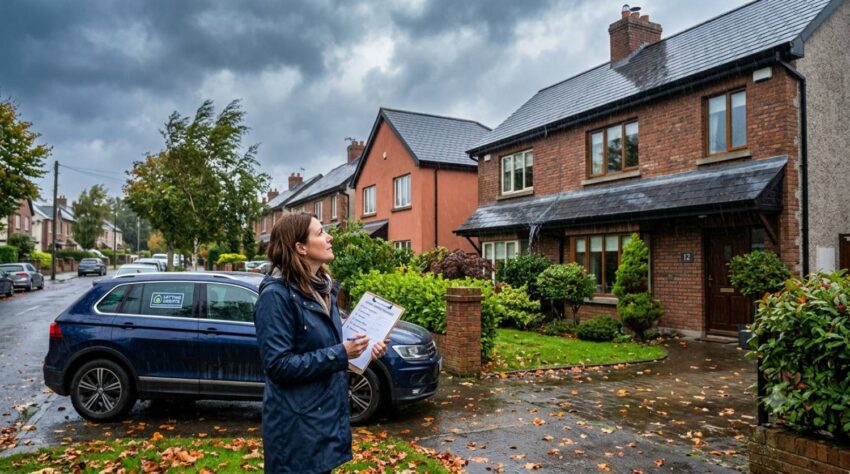
As storm season approaches, severe weather can wreak havoc on rental properties. High winds, heavy rain, and falling debris pose serious risks to windows, roofs, and structure. Following a practical storm readiness checklist helps landlords and letting agents safeguard their investments, maintain tenant safety, and minimise costly property repair bills.
Winter storms bring gale-force winds, torrential downpours, and unexpected structural damage across the UK. For landlords and letting agents, proactive preparation is the single best defence against tenant disruption and expensive repair claims. Unchecked leaks, loose roof tiles, and fragile glazing can rapidly transform a manageable storm into a severe property crisis. Taking time to inspect key structural areas before extreme weather hits ensures your portfolio remains safe, habitable, and secure. Should severe gale conditions smash windows or compromise external entry points, having rapid access to professional emergency boarding up services keeps your property protected until permanent glass repairs occur.
Inspecting and Clearing Roofs, Gutters, and Drainage Systems
Rooftops take the brunt of severe seasonal weather, making structural roof checks an absolute priority before the storm season hits. Damaged flashing, loose slates, or cracked tiles easily allow water ingress during prolonged heavy rain, which quickly turns into internal ceiling damage. Blocked gutters and downpipes cause rainwater to overflow, resulting in severe dampness on external brickwork and internal plaster. Clearing fallen leaves, moss, and silt from gutters and gullies ensures rainwater flows freely away from the foundations. Additionally, securing loose fascia boards and inspecting roof valleys will help maintain structural integrity throughout severe downpours.
Securing Glazing, External Doors, and Garden Boundaries
Windows and external doors are highly vulnerable to impact from windborne debris during high winds. Cracked glass panes, compromised double-glazed seals, or faulty locking mechanisms compromise property security and thermal efficiency when weather conditions worsen. Trimming back overhanging tree branches located near windows prevents direct impacts during heavy gales. If high winds break window frames or shatter glass panes, utilising 24/7 emergency boarding up services secures the premises immediately. This vital intervention prevents water ingress, stops secondary weather damage, and blocks unauthorised access until full replacement glass can be fitted safely.
Maintaining Boiler Efficiency and Protecting Internal Plumbing
Sudden temperature drops during storm season often trigger heating failures and severe plumbing issues. Arranging annual boiler servicing before winter arrives ensures efficient operation and prevents unexpected heating breakdowns when tenants need warmth the most. Freezing temperatures can also cause uninsulated pipes to burst, leading to major internal flooding. Educating tenants on how to locate the main stopcock allows them to shut off the water supply rapidly during an emergency, while insulating exposed pipes in lofts or unheated areas provides robust protection against costly winter pipe damage.
Establishing Clear Tenant Communication Guidelines
Clear communication with tenants before the weather deteriorates is vital for effective storm readiness. Providing an emergency instruction sheet ensures tenants know exactly how to react when severe weather strikes. This guide should include step-by-step instructions for locating the fuse box, operating the water stopcock, and reporting urgent structural defects safely. Tenants should also be reminded to bring loose garden furniture, tools, and potted plants indoors before a storm hits, as unanchored outdoor items can easily smash through nearby ground-floor windows during strong wind gusts.
Ensuring Adequate Insurance Coverage and Documentation
Reviewing your property insurance policies ahead of time is critical for complete financial protection. Landlords must ensure their policies explicitly cover storm damage, flood recovery, and loss of rental income if a property becomes uninhabitable. Documenting the condition of the building before storm season begins provides vital proof if you need to lodge an insurance claim later. Taking clear photographs of the roof, windows, doors, and exterior brickwork creates a solid record of the property’s pre-storm state, helping streamline claims and avoid unnecessary delays during post-storm recovery.
Creating an Emergency Repairs Protocol
Having a fast-response contractor plan ready allows letting agents and landlords to handle sudden structural breaches without delay. Storm damage rarely happens at a convenient time, meaning you need reliable tradespeople who offer round-the-clock emergency assistance. Establishing direct accounts with emergency glazing, roofing, and plumbing specialists ensures your properties receive priority attention when extreme weather strikes. Quick action reduces long-term property damage, safeguards tenant well-being, and keeps repair costs manageable when facing widespread severe weather disruptions.
FAQs
How quickly should landlords respond to storm damage?
Landlords should address emergency structural damage, such as broken glazing or severe roof leaks, immediately to maintain tenant safety and protect the overall structure.
Who is responsible for securing garden furniture before a storm?
Tenants are generally responsible for securing loose garden items, while landlords must ensure structural elements like fences, gates, and outbuildings are sturdy.
Can safety film protect damaged windows temporarily?
Applying high-micron transparent safety film holds cracked glass together securely, stabilizing the window pane until permanent glazing replacement can be arranged.
What should be included in a tenant storm preparedness pack?
Provide tenants with clear instructions on locating the main water stopcock, main fuse box, emergency landlord contacts, and basic steps for reporting urgent storm damage.
What is the first step a landlord should take after a severe storm?
Conduct a full visual inspection of the exterior structure, checking for missing roof tiles, damaged fencing, cracked windows, and clear water ingress.
Conclusion: Safeguard Your Rental Investments Today
Preparing your rental properties before storm season arrives is essential for avoiding catastrophic structural repair costs and maintaining strong tenant relationships. Routine seasonal inspections, gutter maintenance, and structural checks drastically reduce the risk of storm-related incidents. However, extreme weather remains unpredictable, and unexpected damage can still occur despite thorough planning. Having a reliable emergency response strategy ensures your portfolio is protected when severe weather strikes.
Partnering with dependable trade professionals gives landlords and letting agents complete peace of mind throughout the winter months. In the event of broken glass, storm breaches, or structural window damage, trusting reliable emergency boarding up services ensures your property is made safe, secure, and fully weather-tight within hours. By taking proactive maintenance measures today and establishing direct access to fast-response glazing and security specialists, you protect your valuable rental income, preserve long-term property value, and ensure tenant safety all season long.



Leave a Reply
You must be logged in to post a comment.