
Small Details That Make a Big Difference in Bathroom Design
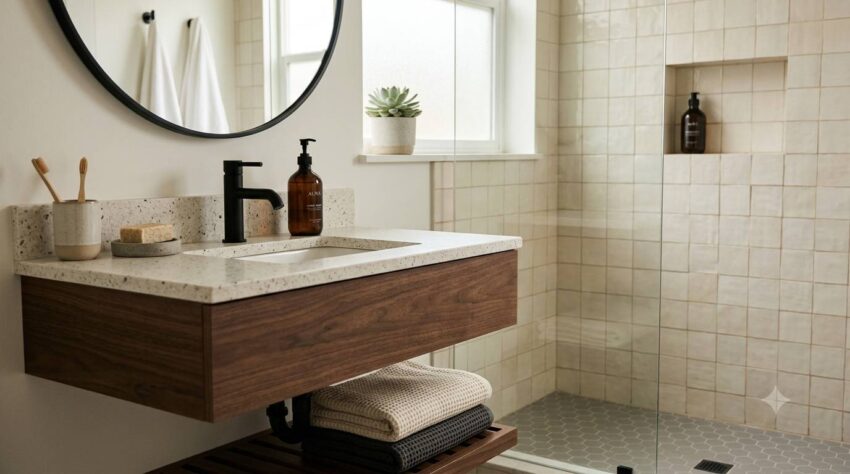
A well-designed bathroom is rarely defined by one dramatic feature. Instead, smaller choices often bring the whole space together, from wall finishes to fitting style and how everyday essentials are organised. Thoughtful details can make a bathroom feel more spacious, comfortable, and cohesive without requiring a complete redesign.
Even choosing the right Go Tiles can noticeably affect the room’s overall look and atmosphere.
Choose Tiles That Set the Tone
Tiles cover a significant amount of visual space, so their color, texture, shape, and finish can influence a bathroom’s character. Large-format tiles can create a cleaner, more continuous appearance by reducing the number of visible grout lines, while smaller tiles can introduce pattern and personality.
When choosing bathroom tiles, consider:
- The overall color scheme of the room
- The size and natural light available in the space
- How the wall and floor tiles will work together
- Whether a smooth, textured, or patterned finish suits the design
Neutral shades such as soft grey, warm beige, cream, or muted green can create a calm setting, while darker tones can add depth when used thoughtfully.
Pay Attention to Grout
Grout is easy to overlook, yet it can change the appearance of tiled surfaces considerably. A grout color that closely complements the tile can create a seamless, understated effect, while a contrasting shade can emphasise the tile pattern.
A few details worth considering include:
- Choosing a grout shade that complements the tiles
- Considering how easily the color may show marks
- Selecting a suitable grout for areas exposed to moisture
- Keeping grout lines clean and properly maintained
The right combination can make the tiling feel more polished while also supporting the practical needs of the bathroom.
Upgrade the Tapware
Bathroom taps may be relatively small, but they can become strong design features. Brushed metal finishes can lend a contemporary feel, while polished chrome remains a versatile choice for many interiors. Matt black can create a sharper, more modern appearance, particularly against lighter tiles.
For a coordinated finish:
- Match the basin and shower fittings where possible
- Consider coordinating towel rails and other hardware
- Choose finishes that complement the tiles and cabinetry
- Avoid mixing too many competing metallic finishes
Consistency helps the room feel deliberately designed rather than assembled from unrelated pieces.
Give the Mirror More Thought
A mirror serves an obvious practical purpose, but its shape and placement can also influence a bathroom’s proportions. A large mirror can help reflect light and make a compact room feel more open.
Consider:
- Rounded or arched mirrors to soften straight lines
- Rectangular designs for a clean contemporary look
- Larger mirrors to increase the sense of space
- Integrated lighting for additional functionality
Good positioning matters, especially when the mirror is used for everyday grooming.
Layer the Lighting
One ceiling light rarely provides everything a bathroom needs. Combining different sources of illumination can make the space more functional and visually comfortable.
Useful lighting options include:
- Task lighting around the mirror
- Ambient lighting for a softer atmosphere
- Ceiling lighting for general illumination
- Natural daylight where privacy allows
Well-positioned lighting can highlight attractive surfaces, illuminate darker corners and make the bathroom feel more balanced.
Add Practical Storage
A clutter-free bathroom generally feels more spacious, but achieving that depends on having enough storage in the first place. Rather than relying solely on freestanding furniture, consider built-in or wall-mounted solutions where appropriate.
Practical options can include:
- Recessed shelving in shower areas
- Vanity units with drawers
- Wall-mounted cabinets
- Baskets and containers for smaller essentials
Keeping everyday products organised makes the bathroom easier to use while maintaining a cleaner look.
Introduce Texture and Softness
Bathrooms can easily become dominated by hard surfaces such as ceramic, stone, glass and metal. Softer textures help keep the room from feeling overly clinical.
Simple additions can include:
- Plush towels in complementary shades
- A comfortable bath mat
- Woven baskets for storage
- A suitable plant for a touch of greenery
- Fabric window treatments where appropriate
These small touches can add warmth and visual interest without overwhelming the existing design.
Consider the Finishing Touches
Once the larger decisions have been made, take a moment to consider the smaller details. Position towel hooks where they’re convenient, keep toilet-roll holders within reach, and give frequently used products a logical home.
Pay attention to:
- The positioning of everyday fittings
- Easy access to towels and toiletries
- Consistent hardware throughout the room
- Keeping surfaces practical and uncluttered
These decisions may not stand out immediately, but they contribute significantly to how comfortable the bathroom feels in everyday use.
Conclusion
Good bathroom design is about more than following a particular trend. It comes from balancing appearance, practicality, and personal taste. Tiles, lighting, mirrors, fittings, storage, and accessories all contribute to the finished result, even when each element seems relatively minor.
By paying attention to these details from the start, you can create a bathroom that feels cohesive and inviting without unnecessary embellishment. Sometimes, the smallest choices are precisely what give a space its sense of character.



Leave a Reply
You must be logged in to post a comment.