
How British Radiator Manufacturing Is Adapting to the Heat Pump Era
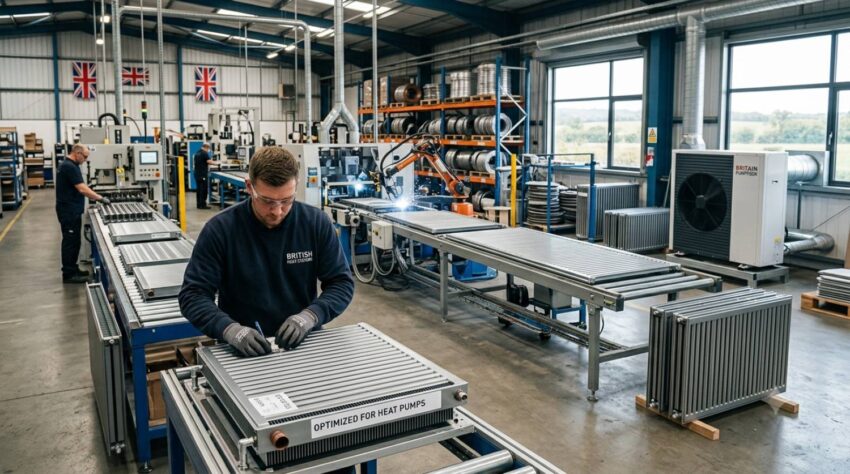
Heat pumps are changing what British homes require from their radiators. Lower water temperatures demand greater heat-emitting surface area, accurate room-by-room sizing and clearer performance data. Manufacturers are responding with higher-output designs, low-carbon materials and practical tools that help installers deliver efficient warmth without sacrificing space, comfort or interior style.
Britain’s transition towards lower-carbon heating is reshaping radiator design and manufacturing. Heat pumps usually circulate water at lower temperatures than traditional boilers, so older or undersized radiators may produce less warmth than expected. Manufacturers must therefore increase heat output through improved panels, convectors, dimensions and precise product selection. Established British specialist Stelrad reflects this wider shift by offering standard, high-output, vertical, designer and lower-carbon radiator options for different properties. The heat pump era is not making radiators obsolete. Instead, it is encouraging better engineering, more accurate heat-loss calculations and closer cooperation between manufacturers, heating designers, installers and homeowners across the country.
Designing for Lower Flow Temperatures
Traditional boiler systems have commonly supplied radiators with relatively hot water. Heat pumps work most efficiently when flow temperatures remain lower, delivering steady warmth over longer periods.
A radiator produces less heat when the temperature difference between its internal water and the room becomes smaller. Manufacturers are responding by developing products with more heat-emitting surface area. Wider panels, greater depths and additional convector fins allow more heat to enter the room without requiring excessively hot water.
This approach supports heat-pump efficiency while preserving the familiar simplicity of a wet radiator system.
Expanding High-Output Radiator Designs
Double-panel and triple-panel radiators are becoming increasingly relevant for low-temperature heating. A triple-panel K3 model combines three water-carrying panels with additional convector surfaces, producing greater output within a restricted section of wall.
These designs can be useful where a room requires substantial warmth but has limited wall width. Vertical radiators can also use available height when furniture, doors or glazing reduce horizontal space.
Manufacturing is therefore moving beyond a single standard panel. A broader range of sizes, depths and orientations allows installers to match output with each room’s layout and heat demand.
Making Performance Data More Useful
A radiator’s published output is meaningful only when the stated operating conditions are understood. Output is commonly shown at a particular Delta T, which represents the difference between the radiator’s average water temperature and the desired room temperature.
Heat-pump systems may operate at a lower Delta T than conventional systems. Manufacturers must therefore provide data that helps specifiers convert standard output figures for lower temperatures.
Clear technical information reduces the risk of choosing a radiator that appears powerful enough on paper but underperforms after installation. It also helps heating engineers compare products consistently and design balanced systems.
Supporting Accurate Room-by-Room Sizing
The heat pump era is making approximate radiator selection increasingly unsuitable. Every room loses heat differently according to its size, insulation, glazing, external walls and desired temperature.
Manufacturers are supporting customers with radiator sizing tools and heat-loss calculators. Stelrad, for example, provides calculation resources intended to help users identify the output required before selecting a model.
A whole-house survey remains essential when installing a heat pump. Some existing radiators may already be suitable, while others may need to become larger or deeper. Replacing every unit without checking its actual performance can create unnecessary expense.
Reducing the Carbon Impact of Production
A lower-carbon heating system should ideally be supported by products manufactured with environmental impact in mind. Radiator makers are therefore examining the steel, energy and processes used during production.
Lower-carbon steel options can reduce embodied emissions before a radiator is installed. Durable construction is equally important because a long service life limits premature replacement and the resources associated with manufacturing new products.
Testing remains central to this progress. Radiators must deliver dependable output, withstand operating pressure and maintain their finish while supporting new heating technologies.
Preserving Choice and Interior Design
Higher output does not have to mean visually intrusive equipment. Manufacturers are adapting panel, column, vertical and designer radiators for modern heating requirements, giving homeowners greater flexibility.
The correct design depends on room heat loss rather than appearance alone. A slim radiator may suit a well-insulated bedroom, while a larger living area may need a deeper high-output model. Kitchens and glazed extensions can present different challenges again.
Manufacturing flexibility allows performance and appearance to be considered together, which is particularly important when heat pumps are fitted during home renovations.
Frequently Asked Questions
Must every radiator be replaced when fitting a heat pump?
No. Existing radiators should be assessed individually against the room’s calculated heat loss and the proposed system temperature.
Why do heat pumps often need larger radiators?
Lower-temperature water transfers less heat, so greater radiator surface area may be required to produce the same room output.
Are triple-panel radiators suitable for heat pumps?
They can be highly effective because their additional panels and convectors provide strong output where wall width is limited.
Can vertical radiators work with low-temperature heating?
Yes, provided their output at the intended operating temperature meets the room’s calculated requirement.
Is underfloor heating essential with a heat pump?
No. Correctly sized radiators can work effectively with heat pumps, making them a practical option for many retrofit projects.
Conclusion
British radiator manufacturing is adapting through better heat output, wider product choice and more transparent performance information. High-output panels, triple convectors and vertical formats help compensate for lower water temperatures, while accurate Delta T data supports responsible specification.
The transition also places greater importance on room-by-room heat-loss calculations. Manufacturers can provide suitable products and selection tools, but installers must still assess insulation, glazing, room dimensions and system design. Oversizing without calculation can waste space and money, while undersizing may reduce comfort and force a heat pump to work less efficiently.
Lower-carbon materials and durable construction are also becoming part of future-ready radiator production. The result is a familiar heating product redesigned for a different energy system. By combining established manufacturing experience with low-temperature engineering, Stelrad demonstrates how British radiator production can remain relevant, efficient and practical as heat pumps become more common in both new and existing homes.



Leave a Reply
You must be logged in to post a comment.