
How Regular Fire Sprinkler Servicing Helps Prevent Unexpected System Failures
Introduction
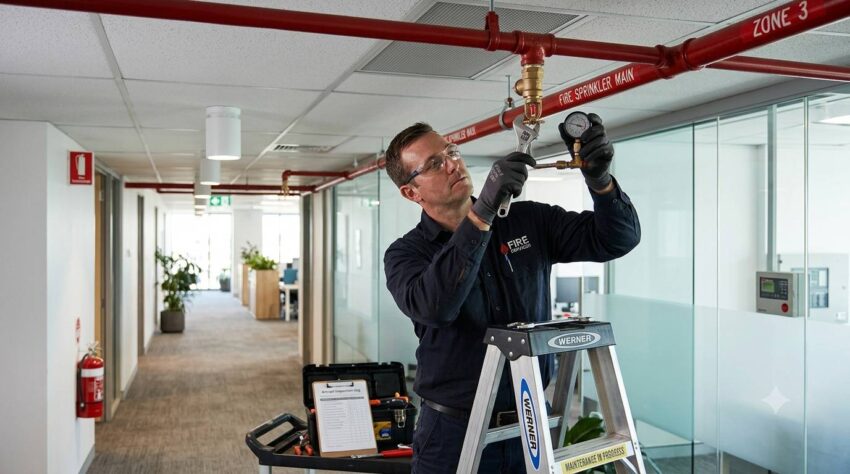
Fire sprinkler systems must remain ready to respond whenever a fire occurs, even though they may go years without being activated. This makes ongoing inspection and maintenance particularly important because faults can develop gradually without being obvious during everyday building operations. Regular Fire Sprinkler Servicing helps identify deterioration, component problems, pressure changes, and other potential concerns before they develop into unexpected system failures. For commercial buildings, industrial facilities, healthcare environments, educational premises, residential developments, and other properties, planned servicing provides a structured way to monitor system condition and maintain confidence in essential fire protection infrastructure.
Why Fire Sprinkler Faults Can Develop Over Time
A sprinkler system contains numerous components that work together to provide effective fire protection. Although much of the system may remain inactive during normal building operations, age, environmental conditions, building alterations, and general deterioration can still affect its components. Pipework can corrode, valves may develop operational problems, sprinkler heads can become damaged or obstructed, and the water supply can change. These issues may develop slowly and remain unnoticed without appropriate inspection. Regular servicing provides opportunities to assess the system periodically rather than assuming it remains in the same condition as when it was originally installed.
Identifying Early Signs of Deterioration
Many significant maintenance problems begin as relatively minor issues. Small signs of corrosion, unusual pressure conditions, minor leakage, damaged fittings, or problems with individual components may not immediately prevent a system from operating. However, allowing these issues to continue without investigation can increase the likelihood of more extensive deterioration. Regular servicing allows engineers to identify visible or measurable signs of concern and recommend appropriate action. Addressing problems early can help prevent them from developing into faults that are more difficult, disruptive, or expensive to resolve.
Monitoring Sprinkler Heads
Sprinkler heads play a critical role in the system and must remain properly positioned and unobstructed. Changes within a building can sometimes affect the environment around them. New fixtures, storage arrangements, decoration, accidental damage, or accumulated contamination may potentially interfere with their condition or effectiveness. Routine servicing provides an opportunity to inspect accessible sprinkler heads and identify visible concerns. Maintaining their condition as part of a wider maintenance programme helps reduce the risk that an unnoticed problem affects the system when it is required.
Checking the Condition of Pipework
Sprinkler pipework may extend throughout large areas of a building, and much of it receives little attention during normal daily activities. Over time, environmental conditions and other factors can contribute to deterioration. Visible corrosion, leakage, physical damage, or other changes may indicate that further investigation is necessary. Routine servicing helps facilities teams remain aware of the condition of accessible parts of the installation and respond when potential problems are discovered. Early attention to pipework concerns can reduce the possibility of deterioration progressing unnoticed and creating more extensive maintenance requirements.
Maintaining Correct Valve Operation
Valves are essential components within sprinkler systems because they help control the movement and availability of water. Their correct position and operation can therefore significantly affect system readiness. A valve that has been accidentally altered, damaged, or affected by a mechanical issue may compromise the performance of part of the installation. Regular servicing can include relevant checks to confirm that valves remain in appropriate condition. Identifying problems during scheduled maintenance provides an opportunity to resolve them before they create a more significant operational concern.
Monitoring Water Supply Conditions
Reliable water availability is fundamental to sprinkler system performance. Changes affecting water pressure or supply conditions may therefore require investigation. These changes are not always obvious to building occupants or employees because the sprinkler system is generally separate from everyday activities. Appropriate servicing and testing can help identify unexpected conditions that may influence performance. Regular monitoring gives building owners and facilities teams greater awareness of system status and allows them to investigate potential problems before an emergency exposes them.
Identifying Problems With Connected Systems
Fire protection arrangements can involve multiple connected systems and components. Depending on the installation, sprinkler operation may interact with alarms, monitoring equipment, pumps, or other elements of the building’s safety infrastructure. A problem affecting one component can potentially influence the effectiveness of the wider arrangement. Routine servicing helps identify issues and confirms that key parts of the sprinkler installation remain operational. Maintaining these connections supports a coordinated approach to fire protection and reduces the likelihood of unnoticed faults going unresolved.
Reducing the Risk of Emergency Repairs
Unexpected sprinkler system faults can create significant challenges for property managers. If a serious problem is discovered suddenly, urgent investigation and repair may be required to restore appropriate protection. Emergency maintenance can also disrupt operations, particularly in buildings that remain occupied or operate continuously. Planned servicing reduces this risk by identifying potential issues during scheduled visits. Repairs can then be assessed and organised more systematically, helping facilities teams manage maintenance without the added pressure of unexpected system problems.
Preventing Small Problems From Becoming Larger Faults
Preventative maintenance is based on the principle that addressing smaller problems early is usually preferable to waiting until they become more serious. A minor issue affecting one component may initially seem insignificant, but it can worsen if ignored. Regular servicing creates repeated opportunities to monitor system condition and identify changes between inspections. This ongoing attention can help prevent manageable maintenance requirements from developing into larger faults that affect multiple components or require more extensive corrective work.
Supporting Reliable Performance During an Emergency
Fire sprinkler systems differ from many other building systems because their most important function may only be required during an emergency. There may be no opportunity to arrange repairs once a fire has started. Maintaining system readiness in advance is therefore essential. Routine servicing helps provide confidence that relevant components have been inspected and that identified faults are addressed appropriately. Although maintenance cannot eliminate every possible risk, it significantly improves awareness of system conditions and supports the dependable operation expected from critical fire protection infrastructure.
Helping Facilities Teams Plan Maintenance
Planned servicing gives facilities managers more information about the sprinkler system’s ongoing condition. Instead of maintenance being driven entirely by unexpected faults, teams can use inspection findings and service records to identify areas that may require future attention. This can support better scheduling of repairs, component replacement, and other necessary work. Greater visibility into maintenance requirements also lets organisations coordinate sprinkler work with broader property management activities, potentially reducing disruption and improving long-term planning.
Maintaining Accurate Service Records
A detailed maintenance history can be valuable when managing a sprinkler system over many years. Service documentation can record inspections, testing, identified concerns, completed repairs, and other relevant information. These records help future engineers understand previous maintenance activity and give property teams a clearer picture of how the system has been managed. They may also support audits, property management processes, insurance discussions, and relevant compliance responsibilities. Consistent documentation helps ensure important installation information isn’t lost as staff, contractors, or building ownership changes.
Supporting Long-Term Equipment Condition
Regular servicing does more than address immediate faults. It also supports long-term system management. Fire sprinkler installations represent a significant investment and are expected to remain operational for extended periods. Monitoring components throughout their service life can help identify deterioration before it creates larger problems and provide information that supports decisions about repair or replacement. This preventative approach can help protect the wider system from avoidable damage while allowing building owners to plan maintenance expenditure more effectively.
Responding to Changes Within the Building
Buildings frequently change during the lifetime of a sprinkler system. Spaces may be refurbished, internal layouts altered, storage arrangements changed, or new equipment installed. Even when the sprinkler system itself has not been deliberately modified, changes within the surrounding environment may create new considerations. Regular servicing helps property teams stay aware of the system as the building evolves. Where significant changes could affect fire protection arrangements, appropriate professional assessment may be necessary to determine whether further action is required.
Supporting Wider Fire Safety Responsibilities
Sprinkler maintenance forms one part of a broader fire safety strategy. Building owners and responsible parties may need to manage alarms, evacuation arrangements, emergency lighting, risk assessments, and other fire protection measures alongside sprinkler systems. Keeping sprinkler maintenance on a planned schedule helps ensure this important element is not overlooked. Professional servicing can provide information on system condition and highlight issues that need attention, supporting a more organised approach to managing fire safety responsibilities across the property.
Moving From Reactive to Preventative Maintenance
Waiting for an obvious problem to appear is rarely the most effective approach for critical safety infrastructure. A reactive maintenance strategy can mean that faults remain unnoticed until they become disruptive or urgent. Regular servicing changes this approach by creating scheduled opportunities to assess the system before major problems emerge. This allows building owners to make maintenance decisions based on current information rather than waiting for a failure. Over time, a preventative approach can support greater reliability, more predictable maintenance, and stronger confidence in the condition of the fire protection system.
Frequently Asked Questions (FAQs)
What can cause a fire sprinkler system to develop faults?
Age, corrosion, component deterioration, physical damage, changes in water supply conditions, building alterations, and other environmental or mechanical factors can contribute to system problems.
Can sprinkler faults develop even if the system has never been activated?
Yes. Fire sprinkler components can deteriorate naturally over time even when the system has never operated during a fire.
How does regular servicing help prevent unexpected failures?
Routine servicing creates opportunities to identify developing faults and deterioration before they progress into more serious problems that could affect system performance.
Can regular servicing reduce emergency repair requirements?
Preventative maintenance can identify some problems earlier, allowing repairs to be planned rather than waiting until faults become urgent or disruptive.
Why are sprinkler maintenance records important?
Service records provide a history of inspections, identified issues, repairs, and maintenance activity, helping building owners and facilities teams manage the system over its operational life.
Conclusion
Unexpected fire sprinkler system failures can create serious safety, operational, and maintenance challenges. Because many faults develop gradually and may not be visible during everyday building use, relying solely on obvious signs of trouble can leave important issues undetected. Regular professional servicing provides a structured way to monitor system condition, identify deterioration, assess important components, and address developing concerns before they become more significant.
A preventative approach can also help reduce emergency maintenance, support long-term equipment condition, improve maintenance planning, and provide useful records for building management. By giving fire sprinkler systems regular professional attention throughout their operational life, property owners and facilities teams can maintain greater confidence that this essential fire protection infrastructure remains ready to perform when required.


Leave a Reply
You must be logged in to post a comment.